

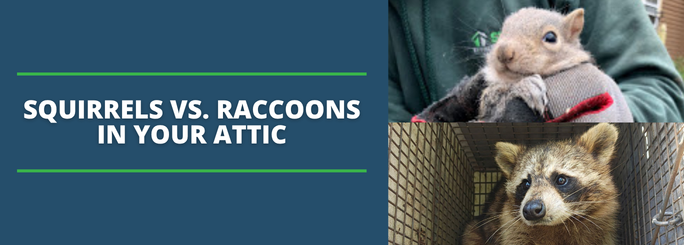
Squirrels vs. Raccoons in Your Attic: How to Tell the Difference
Many homeowners eventually hear scratching, scurrying, or thumping coming from the attic. Squirrels and raccoons are two of the most common animals that enter these spaces, but it can be difficult to tell which one has moved in.
Fortunately, differences in their activity patterns, sounds, entry points, and nesting habits can help you determine whether you may have a squirrel or raccoon in your attic.
For a thorough inspection of your attic, contact Summit Environmental Solutions in Virginia Beach.
Squirrel Activity in Virginia Beach
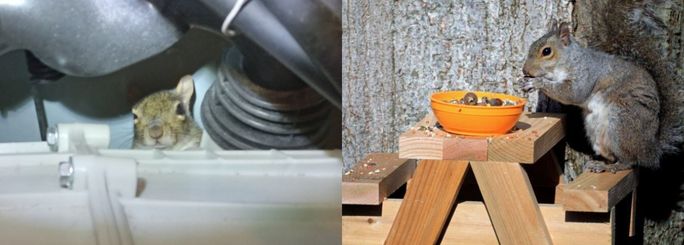
During late summer, squirrels are often most active in the morning and late afternoon, avoiding the hottest part of the day. Young squirrels born earlier in the year may also be exploring, foraging, and becoming more independent during this time.
Female squirrels look for protected places where they can build nests and raise their young. Attics can provide many of the features they seek, including warmth, protection from predators, and access to soft nesting material such as insulation.
Once inside, squirrels may tear or compress insulation, chew on wood and wiring, and create openings around vents, soffits, fascia boards, or rooflines.
Schedule a FREE Estimate
When Do Squirrels Have Babies
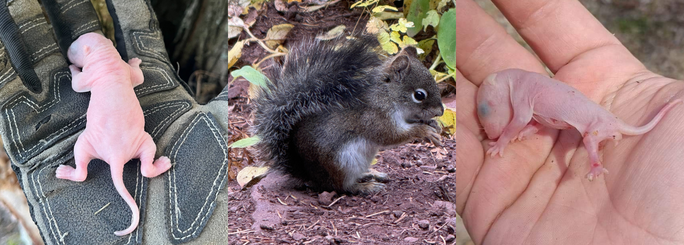
Eastern gray squirrels typically have one or two litters per year. Their first breeding period generally occurs during the winter, followed by another breeding season in late spring or early summer. After a gestation period of about six weeks, the second litter is generally born mid-to-late summer. The exact timing can vary based on weather and other environmental conditions.
A litter commonly contains at least two or three baby squirrels, and they will remain dependent on their mother for several weeks before leaving the nest and exploring on their own.
Because young squirrels may be hidden inside an attic, entry points should not be sealed until the space has been thoroughly inspected.
Raccoon Activity in Virginia Beach
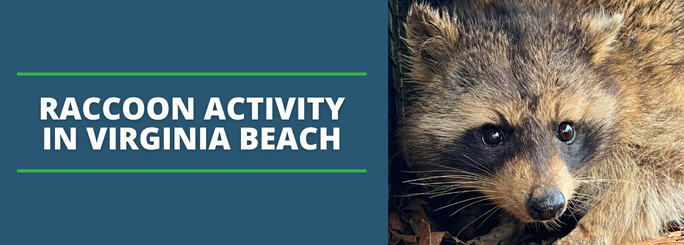
Raccoons are primarily active at night and may become more noticeable during the warmer months when food is readily available. Juvenile raccoons born in spring usually remain with their mother through the summer while learning how to climb, forage, and find shelters. Raccoons are opportunistic feeders and may be attracted to unsecured garbage cans, compost piles, pet food, bird feeders, gardens, and other accessible food sources.
In addition to searching for food, raccoons look for secure places to den and raise their young. Attics, chimneys, and crawl spaces can provide shelter from predators and weather. Raccoons are strong and persistent animals, and may pull apart damaged vents, loose siding, roof materials, soffits, or metal flashing to create entry points or widen existing openings.
Signs of Squirrels vs. Raccoons in Your Attic
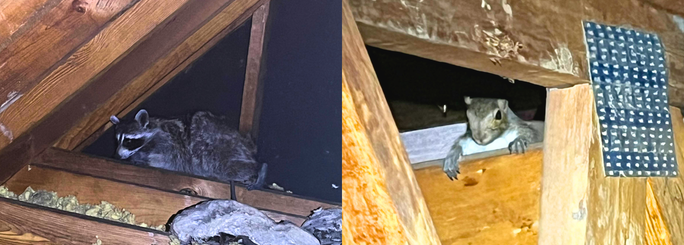
Squirrels and raccoons can both enter attics, but they leave behind different signs. The size of the entry point, type of damage, sounds you hear, droppings, and time of activity can help you determine which animal may be inside.
Squirrel | Raccoon | |
Entry Points and Property Damage | Can enter through an opening roughly 2 inches wide and may chew around the edges to make it larger | Usually requires a larger opening and may pull, pry, or tear at weakened building materials |
Droppings and Nesting Material | Droppings may be scattered or found near nesting and frequently used areas | Droppings are often concentrated in a repeatedly used location known as a latrine |
Sounds in the Attic | Light scratching, chewing, scampering, or scurrying | Loud footsteps, heavy thumping, dragging, growling, or vocalizations |
When You Hear the Activity | Mainly during the day, particularly in the morning and late afternoon | Most commonly at night |
These signs can help narrow down the cause, but they do not always provide a definite answer. Rats, mice, bats, birds, and other animals might produce similar noises or leave behind similar evidence.
A professional technician from Summit Environmental Solutions can inspect the attic, identify entry points, examine droppings and nesting material, and determine whether squirrels, raccoons, or another animal may be responsible.
Why Wildlife Exclusion Matters
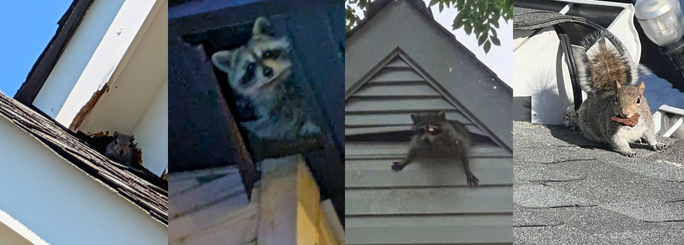
Removing an animal from the attic is only part of the solution. Long-term wildlife control also requires identifying and securing the entry points. Wildlife exclusion may involve installing vent guards, chimney caps, wildlife-resistant steel mesh, or metal flashing. Damaged soffits, fascia boards, vents, and roofline materials may also need to be repaired or reinforced.
Before an opening is sealed, the attic should be checked carefully to make sure no animals or their young are still inside. Sealing an adult outside while its babies are still in the attic can create additional damage and leave the young trapped inside.
Homeowners can also make their properties less attractive and accessible to wildlife. Overhanging tree branches can provide squirrels and raccoons with a convenient route to the roof. Trimming limbs away from the home may make roof access more difficult.
Securing garbage cans, removing accessible pet food, managing bird feeders, and repairing damaged exterior materials can also help reduce wildlife activity around the property.
Squirrel and Raccoon Removal in Virginia Beach
If you have noticed signs of squirrels or raccoons in your Virginia Beach home, Summit Environmental Solutions can help.
Our team will conduct a thorough inspection to identify active and potential entry points and determine what type of animal may be present. We can then develop an appropriate removal and exclusion plan, accounting for the possibility of babies or other dependent young. Once the animals are safely addressed, accessible entry points can be sealed to help prevent them from returning.
For professional wildlife removal in Virginia Beach, Newport News, Norfolk, or Hampton, contact Summit Environmental Solutions for a free estimate. Call us at (757) 901-4455 or fill out our online contact form today.