

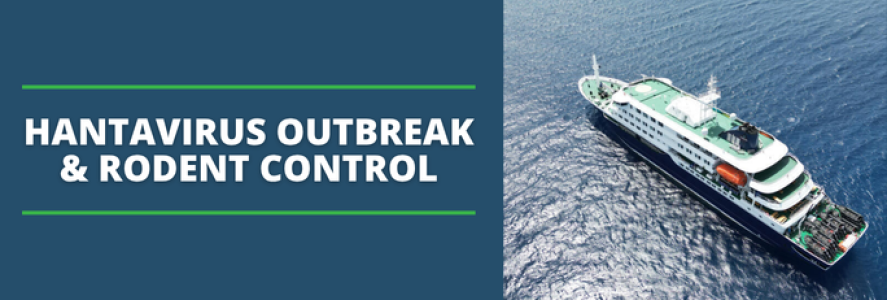
How the Cruise Ship Hantavirus Outbreak Highlights the Importance of Rodent Control
The recent hantavirus outbreak linked to the cruise ship MV Hondius has raised concerns about the dangers rodents can pose to human health. While hantavirus infections remain rare in the United States, the outbreak serves as an important reminder of why rodent prevention matters for homeowners.
According to the CDC, reducing exposure to rodents is the best way to lower the risk of hantavirus infection. Homeowners can help protect their families by sealing gaps and entry points, removing food sources, keeping storage areas clean, and addressing rodent problems quickly. Professional rodent control services can help identify infestations early and prevent rodents from spreading disease inside the home.
If you need effective mouse, rat, or rodent control in the Virginia Beach and Yorktown areas, contact Summit Environmental Solutions by calling (757) 901-4455 or filling out our contact form.
What is Hantavirus?
- The World Health Organization describes hantavirus as a group of viruses carried by rodents that can cause severe disease in humans.
- The virus is most commonly spread via the urine, droppings, or saliva of infected rodents.
- There is currently no treatment that cures hantavirus diseases, although receiving medical care early on can improve chances of survival.
- There are several species of the virus that are known to cause sickness in humans.
- Hantaviruses in North, Central, and South America are known to cause a severe respiratory illness: hantavirus pulmonary syndrome (HPS). This can also be referred to as hantavirus cardiopulmonary syndrome (HCPS).
- Andes virus is typically found in South America, and human-to-human transmission has been documented.
In Europe and Asia, hantavirus can cause haemorrhagic fever with renal syndrome (HFRS).
Schedule a FREE Estimate
How Does Hantavirus Spread?
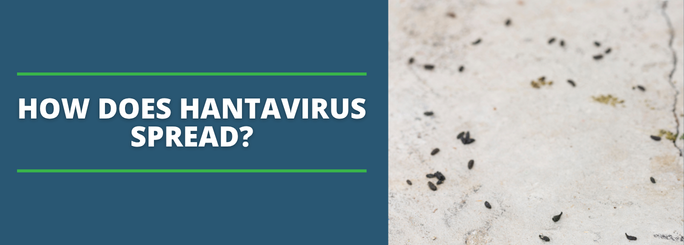
The main way that hantavirus is spread is by coming into contact or breathing air contaminated with the urine, droppings, or saliva of infected mice and rats. Unlike most hantavirus strains, Andes virus has been linked to rare cases of person-to-person transmission. There is no evidence that the virus is spread from cats, dogs, farm animals, or insects. HPS is extremely rare to contract in Virginia, and 94% of hantavirus infections occur west of the Mississippi River.
Hantavirus Symptoms
Hantavirus pulmonary syndrome (HPS) is a rare infectious disease that can lead to life-threatening illness. Early signs of hantavirus often resemble the flu, which can make the illness difficult to recognize at first.
Infected patients commonly experience fever and chills, muscle aches and pain, headaches, and nausea. In the next several days as the disease progresses, more serious heart and lung problems may arise. Coughing, difficulty breathing, irregular heart rate, and fluid build-up in the lungs are some of the more severe symptoms of HPS.
How Rodent Control Limits the Spread of Hantavirus
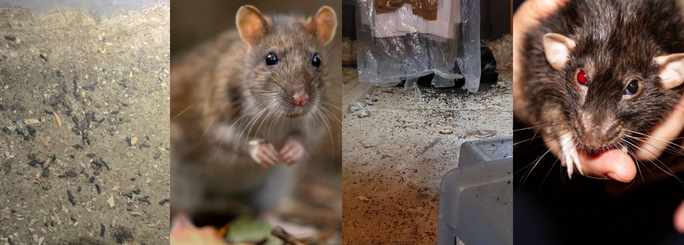
Effective rodent control is one of the best ways to reduce the risk of rodent-borne illnesses, including hantavirus. People can become infected when they come into contact with contaminated rodent urine, droppings, saliva, or nesting materials.
If you discover signs of mice or rats inside your home, it’s important to clean affected areas carefully to avoid spreading contaminated particles into the air. The Virginia Department of Health recommends taking the following precautions:
- Wear rubber or latex gloves before handling rodents or contaminated materials
- Open windows and doors to ventilate enclosed areas before cleaning
- Spray droppings, nesting materials, and affected surfaces with disinfectant and allow them to soak thoroughly
- Avoid sweeping or vacuuming dry rodent droppings, which can spread contaminated dust into the air
- Spray dead rodents with disinfectant before placing them into a sealed plastic bag
- Place the sealed bag into a second plastic bag before disposal
- Wash gloved hands thoroughly before removing gloves, then wash hands again afterward
How to Prevent Rodent Infestations in Your Home
There are a few things you can do at home to prevent mouse and rat infestations.
- Seal entry points around doors, windows, pipes, and foundations
- Store food in sealed containers
- Clean rodent droppings safely and thoroughly
- Reduce clutter in storage areas and garages
- Schedule professional rodent inspections when signs of activity appear
Schedule a Rodent Inspection
If you’re dealing with mice or rats in Virginia Beach, Yorktown, Hampton Roads, or surrounding areas, Summit Environmental Solutions can help. Our team provides professional rodent control services designed to eliminate infestations and help prevent future problems. Give us a call at (757) 901-4455 or fill out our contact form to get a free inspection.