

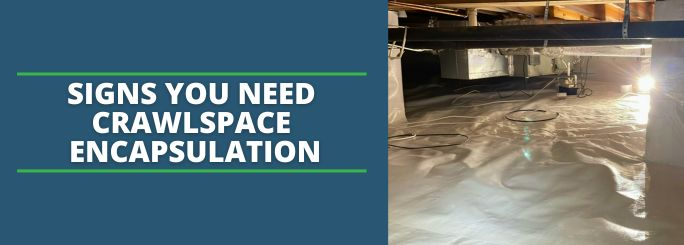
Many homes in Yorktown, Williamsburg, Newport News, Hampton, and Virginia Beach are built over crawlspaces, and in this part of coastal Virginia, moisture beneath the home is a very common issue. High humidity, shallow groundwater, and frequent rain make it difficult for crawlspaces to stay dry on their own.
Homeowners often notice something feels off before they ever look under the house. That can show up in a few different ways, including:
Persistent moisture or damp soil in the crawlspace
Standing water after heavy rain or storms
Musty odors coming from inside the home
High indoor humidity or a sticky feeling indoors
Mold or mildew on crawlspace walls, joists, or insulation
Sagging, falling, or deteriorating insulation
Cold floors in winter and damp or humid floors in summer
Increased pest activity tied to moisture
Rising energy bills with no clear explanation
These are some of the most common signs we see in Hampton Roads area homes, and they often point back to one root problem. Uncontrolled crawlspace moisture.
In the sections below, we will break down each of these signs, explain what causes them, and show how crawlspace encapsulation can help protect your home and improve comfort long term.
At Summit Environmental Solutions, we work with homeowners throughout the Yorktown and Hampton Roads region to identify crawlspace moisture issues and recommend solutions designed specifically for coastal Virginia conditions.
If the ground in your crawlspace is consistently damp or never fully dries out, it is a strong sign that moisture is entering and staying beneath the home. In the Yorktown and Hampton Roads area, this often happens because of high humidity, shallow groundwater, and rainwater that seeps into the crawlspace from the surrounding soil.
Even when there is no standing water, damp soil allows moisture to rise into the crawlspace air. Over time, that moisture affects insulation, wood framing, and the air that moves up into the home. Many homeowners do not realize there is an issue until musty odors or comfort problems begin to show up indoors.
How crawlspace encapsulation helps:
Crawlspace encapsulation seals the ground and walls, blocking moisture from the soil and preventing damp air from entering the space. This keeps the crawlspace dry and reduces moisture-related problems throughout the home.
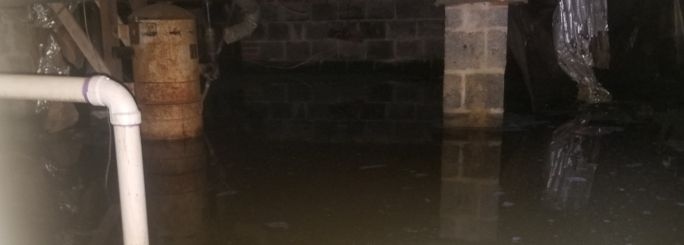
Standing water in the crawlspace after heavy rain or storms is a common issue in the Hampton Roads area. Homes in Yorktown, Williamsburg, Newport News, Hampton, and Virginia Beach are especially vulnerable because of flat terrain, coastal groundwater, and heavy rainfall that can overwhelm drainage around the home.
Pooling water is more than just a surface drainage problem. Even if the water eventually disappears, moisture often remains in the soil, framing, and insulation. That lingering moisture continues to raise humidity levels in the crawlspace and can lead to mold growth, wood deterioration, and ongoing air quality issues inside the home.
Many homeowners assume the problem is solved once the water is gone. In reality, the crawlspace often stays damp long after storms pass, allowing moisture-related damage to continue unnoticed.
How crawlspace encapsulation helps:
Crawlspace encapsulation works alongside proper drainage by sealing the crawlspace floor and walls. This prevents moisture from lingering and protects insulation and framing from repeated exposure after storms.
If your home smells musty, especially after rain or during humid weather, the crawlspace is often the source. This is very common in homes around Yorktown, Williamsburg, Newport News, Hampton, and Virginia Beach, where moisture tends to linger under the house.
Air moves upward, so damp crawlspace air can make its way into living spaces through floors and ductwork. That is why the smell may come and go but never fully disappear. Air fresheners or small dehumidifiers may help temporarily, but they do not fix the underlying moisture problem.
How crawlspace encapsulation helps:
Encapsulation seals the crawlspace and keeps damp air from entering the home, helping eliminate musty odors instead of masking them.
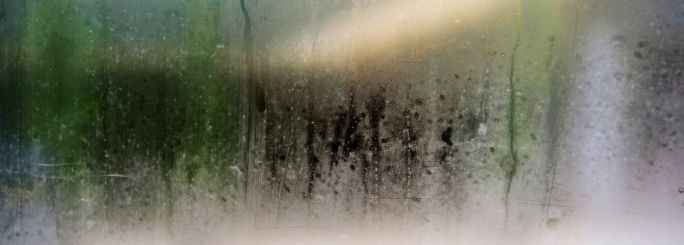
If your home feels humid or sticky, even when the air conditioning is running, moisture in the crawlspace is often part of the issue. This is especially common in Yorktown, Williamsburg, Newport News, Hampton, and Virginia Beach, where humidity levels stay high for much of the year.
When moisture builds up under the home, that damp air does not stay contained. It slowly rises into the living space, making it harder for the HVAC system to maintain comfortable indoor conditions.
How crawlspace encapsulation helps:
Crawlspace encapsulation seals the space and allows for the installation of a dedicated crawlspace dehumidifier. Together, these control moisture at the source, helping keep indoor humidity more stable and improving overall comfort year round.
Mold or mildew in the crawlspace is usually a sign that moisture has been present for a long time. In the Yorktown and Hampton Roads area, high humidity and damp conditions create an environment where mold can grow on wood framing, insulation, and crawlspace walls.
Visible mold is important not to ignore. Moisture and mold in the crawlspace can affect the air that moves up into the home, which may impact indoor air quality and trigger allergy or respiratory issues for some homeowners. Mold also indicates ongoing moisture that can continue to damage insulation and wood materials over time if left unaddressed.
Simply cleaning mold or replacing affected materials does not stop the problem if the moisture remains.
How crawlspace encapsulation helps:
Crawlspace encapsulation controls moisture at the source by sealing the space and, when needed, pairing it with a crawlspace dehumidifier. This creates conditions where mold is far less likely to return.
Insulation in the crawlspace is designed to help regulate temperatures inside the home, but it is not meant to handle constant moisture. When the crawlspace stays damp, insulation can absorb moisture, become heavy, and start to sag or fall out of place. This is a common issue in Yorktown and Hampton Roads homes with vented or unsealed crawlspaces.
Once insulation is compromised, it loses its effectiveness. Floors above the crawlspace may feel colder in winter, and the HVAC system has to work harder to keep the home comfortable. Replacing insulation alone often does not solve the issue if moisture conditions remain the same.
How crawlspace encapsulation helps:
Crawlspace encapsulation stabilizes the environment under the home, allowing insulation to stay properly supported and effective. By sealing out ground moisture and outside air, encapsulation helps insulation maintain its shape, improves thermal performance, and reduces energy loss caused by damp or displaced insulation.
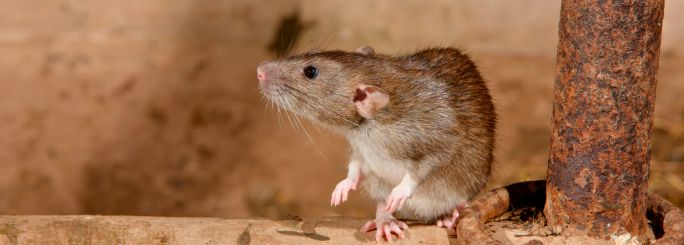
Moisture in the crawlspace often attracts pests. In Yorktown and throughout the Hampton Roads area, damp crawlspaces create ideal conditions for insects and rodents looking for water, shelter, and easier access into the home.
Crawlspaces are also a common entry point. Small gaps, vents, and openings make it easier for pests to move in and out, especially when moisture is present. Treating pests without addressing the moisture problem usually leads to repeat activity, because the conditions that attract them never change.
How crawlspace encapsulation helps:
Crawlspace encapsulation reduces moisture and seals off common entry points, making the space less inviting to pests and helping prevent ongoing activity tied to damp conditions.
If your energy bills keep climbing but your usage has not changed, the crawlspace could be part of the issue. In Hampton Roads homes, moisture and outside air entering through the crawlspace can make it harder for the home to stay comfortable, forcing the HVAC system to run longer and more often.
When insulation is damp or air is moving freely under the home, heated and cooled air escapes more easily. This kind of energy loss often starts below the living space, which is why homeowners are surprised when bills rise without a clear cause. Seasonal spikes are especially common in Yorktown, Virginia Beach, and nearby areas where humidity levels stay high.
How crawlspace encapsulation helps:
Crawlspace encapsulation improves insulation performance and limits moisture and air movement under the home. This helps the HVAC system operate more efficiently and can reduce energy loss tied to crawlspace conditions.
Some crawlspace issues are more than early warning signs. Visible mold, standing water after storms, and sagging floors or insulation usually mean moisture has been affecting the crawlspace for a long time. These are not problems that correct themselves, and waiting often allows damage to spread.
As moisture continues, wood framing and insulation can deteriorate, and damp air from the crawlspace moves into the living space above. This can lower indoor air quality and contribute to ongoing health concerns, particularly for children, older adults, or anyone with allergies or respiratory sensitivities.
The longer crawlspace moisture is left unaddressed, the more extensive and expensive the repairs can become. What starts as a moisture issue can turn into structural damage, mold problems, and higher energy costs.
A professional crawlspace inspection gives you clear answers. It identifies where moisture is coming from, how much damage has occurred, and whether crawlspace encapsulation is the right solution to stop the problem before it gets worse.
If you are noticing signs of moisture in your crawlspace, waiting often allows the problem to grow. Issues like standing water, mold, sagging insulation, and musty odors tend to worsen over time and can affect both the structure of the home and indoor air quality.
A professional crawlspace inspection gives you a clear understanding of what is happening beneath your home and what options make sense to protect it. Summit Environmental Solutions provides crawlspace inspections and encapsulation services throughout Yorktown, Williamsburg, Newport News, Hampton, and Virginia Beach, with solutions designed specifically for coastal Virginia homes.
Schedule a crawlspace inspection with Summit Environmental Solutions today to take the first step toward a drier, healthier, and more comfortable home. Call us at 757-901-4455 or submit a contact form.